Choosing the right CNC machining process can reduce setup complexity and help meet your part requirements. This guide compares milling and turning for buyers and engineers sourcing custom CNC machined components.
CNC Milling vs CNC Turning: The Main Difference
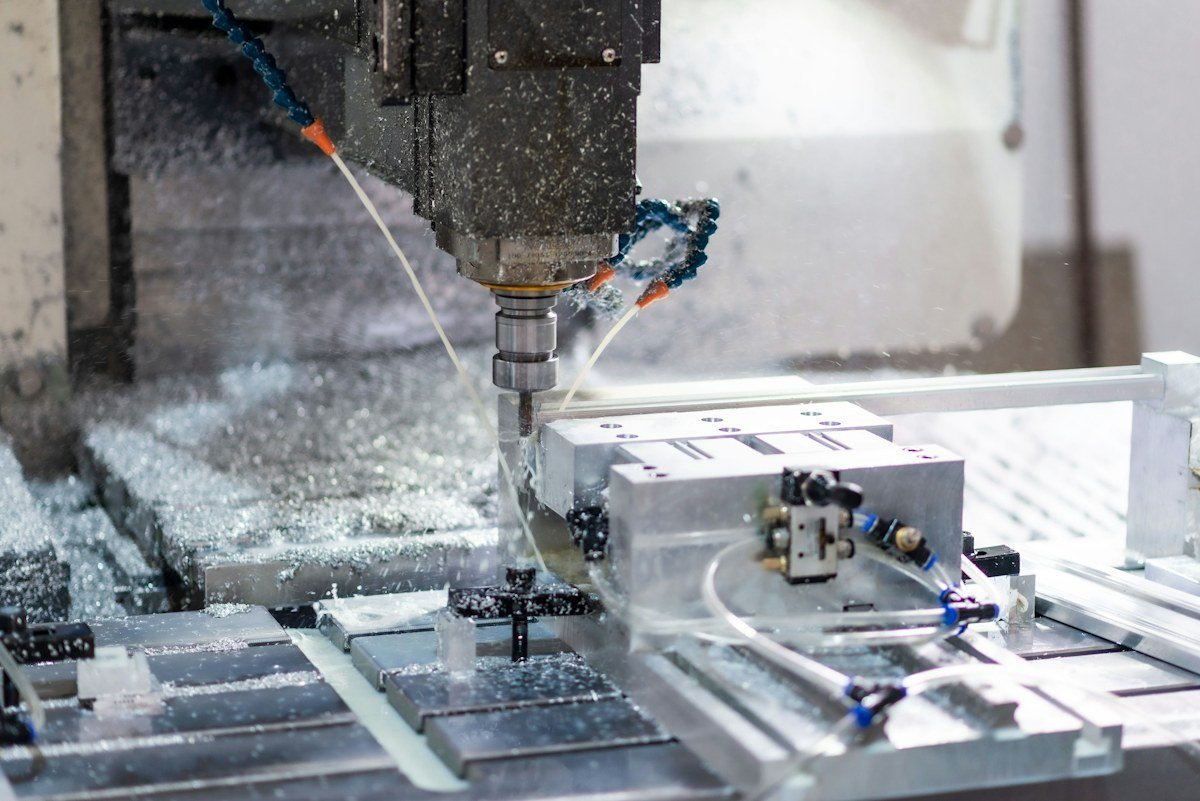
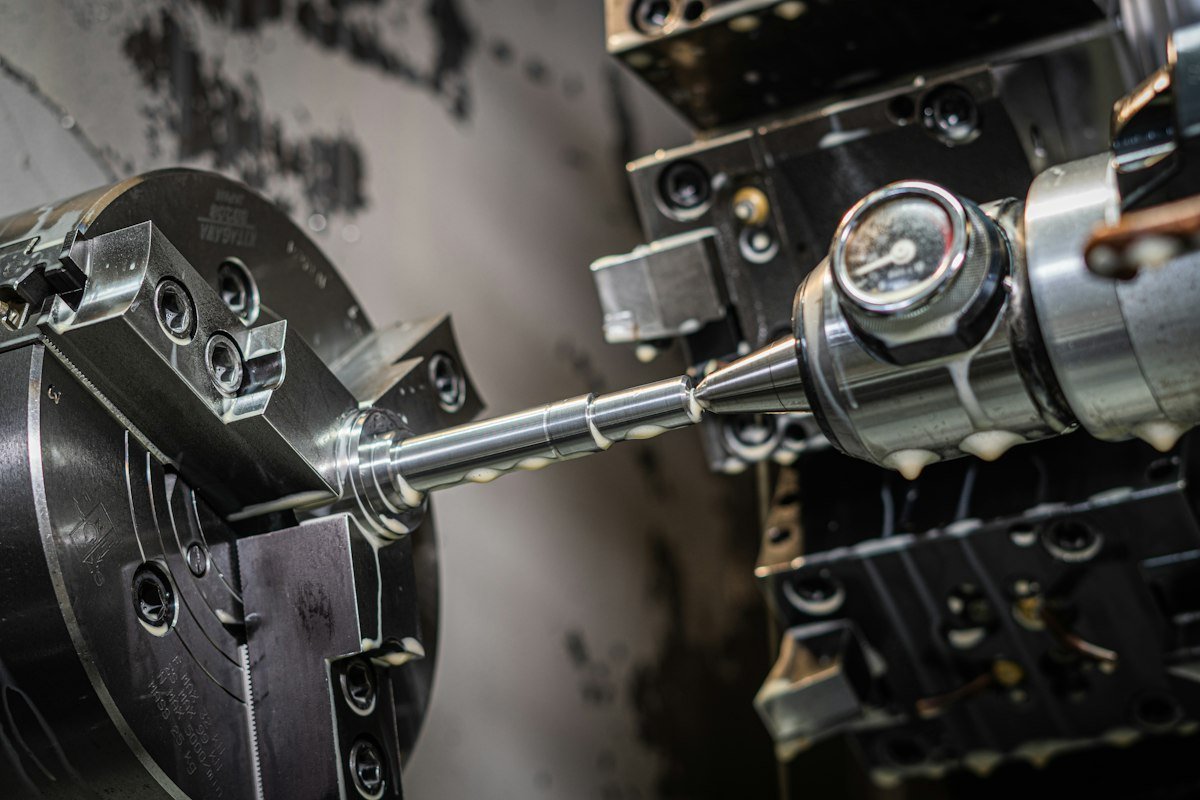
CNC milling typically uses a rotating cutting tool to remove material from a stationary or repositioned workpiece. CNC turning rotates the workpiece while a cutting tool forms cylindrical surfaces. The right process depends primarily on part geometry, tolerance requirements, material and production quantity.
When CNC Milling Is a Better Fit
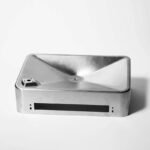
Milling is commonly used for prismatic parts, plates, housings, brackets, pockets, slots, flat faces and multi-sided features. Three-axis machining handles many accessible surfaces; additional axes can improve tool access for angled or complex geometry. A five-axis machine is not automatically necessary for every complex part.
When CNC Turning Is a Better Fit
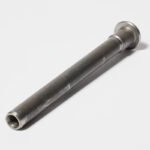
Turning is often efficient for rotationally symmetric features such as shafts, bushings, sleeves, pins and threaded cylindrical components. Parts with an axis of rotation can often be produced with fewer setups on a lathe. Milling or secondary operations may still be required for flats, cross-holes and other non-rotational details.
What About Turn-Mill and Swiss Turning?
Turn-mill equipment combines turning and milling operations for certain part families. Swiss-type turning can be suitable for small, slender or intricate turned components. Process selection depends on length-to-diameter ratio, feature access, tolerance, quantity and available equipment. Ask for a drawing-based feasibility review rather than assuming one method is always best.
Related services: CNC milling services, CNC turning services, Swiss CNC turning, and 5-axis CNC machining.
Materials and Surface Finish
Both CNC milling and turning can machine many metals and engineering plastics, subject to grade and feature requirements. Aluminum, stainless steel, brass and carbon steel have different machinability, cutting and finishing considerations. Specify material grade and any functional surface requirements on the drawing. As-machined finish, deburring and secondary finishing should be agreed before production.
Tolerance and Inspection Considerations
A tolerance must be evaluated for the particular feature, not promised for every dimension on a part. Geometry, wall thickness, material, clamping, thermal effects and measurement method all influence feasibility. Plus Minus Three can assess whether ±0.01 mm is achievable on suitable features after reviewing your CAD model, drawing and inspection criteria.
How Quantity Affects the Process
For a single prototype, programming and setup effort may dominate cost. For a repeat production batch, fixturing, tool life, inspection planning and cycle time become more important. A turned component with extensive milled features may need a different production strategy than a simple cylindrical part. Request quotations based on the actual quantity and drawing.
Design Tips That Help Both Processes
Use clear datums and indicate truly critical dimensions. Avoid unnecessarily deep pockets, thin walls and inaccessible internal corners on milled parts. For turned parts, consider tool clearance, slender sections, groove geometry and thread standards. Communicate functional requirements rather than applying very tight tolerances to every feature.
What to Send for an Accurate CNC Quote
Provide a STEP or IGES 3D file and a 2D PDF drawing with dimensions, tolerances, material grade, quantity, finish and delivery destination. Highlight inspection-critical dimensions and any mating interfaces. If you are unsure whether milling or turning is suitable, the manufacturing team can review the geometry and recommend a process.
Request Custom CNC Machining
Plus Minus Three is a direct CNC machining factory offering custom CNC milling, turning, Swiss turning and 3-to-5-axis machining for metal and plastic components. Our factory holds ISO 9001 and IATF 16949 certifications. Contact us with your drawings for a project-specific feasibility review and quotation.